In recent years there has been a significant increase in the appeal of small living spaces. Their rise in popularity can be linked to a number of factors but it primarily boils down to the rising cost of housing. Because small spaces provide an affordable solution, more and more people are flocking to them rather than going the traditional single family home route. Leading the pack of this alternative housing movement are two options: tiny homes and accessory dwelling units (ADUs). But which is the best choice for you? And wait, aren’t they pretty much the same thing?
In this article, we’ll cover the similarities and differences between ADUs and tiny homes, including the legal factors and lifestyle considerations that’ll help you determine which is the right fit for you.
We’ve focused this article on California to some degree, because that part of the country has done the most to embrace these small, alternative living solutions as a way of addressing the growing housing shortage there. So if you’re located in the Golden State, definitely keep reading because this article is especially tailored towards you.
What’s the Difference Between a Tiny Home and an ADU?
Tiny homes and ADUs may seem to be the same thing, and sometimes they are! But it’s also true that each has their own unique characteristics and can serve different purposes for the owner.
What Is a Tiny Home?
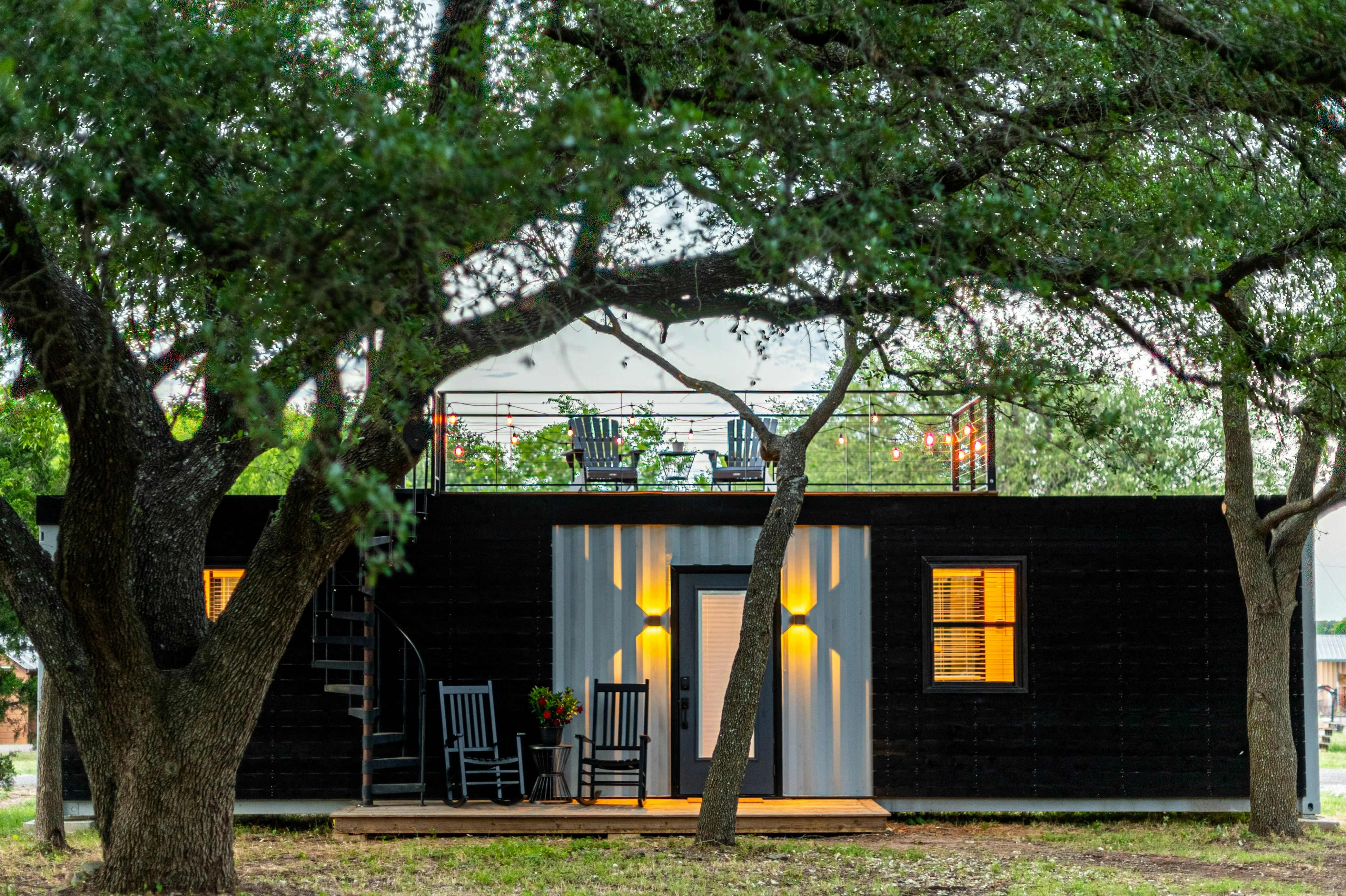
A tiny home is exactly what it sounds like, a small, freestanding living unit usually under 400 square feet. They can be built either on wheels or a permanent foundation–a key distinction. Often a choice for people seeking mobility and/or a minimalist lifestyle, many tiny homes are custom-built to maximize functionality and storage within a small footprint.
To suit their preferences, owners can choose to DIY-build their tiny home or have one made professionally. There are many great builders across the country, and plenty of prefabricated tiny home options as well. With the increased interest and a growing community, access to information, plans, tiny home kits, and ready-built solutions are more accessible than ever.
You can choose to build a tiny home on your private land, join a community where several are located together and may share communal resources, or have one as an accessory dwelling to your primary housing. (So, if you’re wondering: Yes, a tiny home can be an ADU, but it doesn’t have to be.)
What Is an ADU?
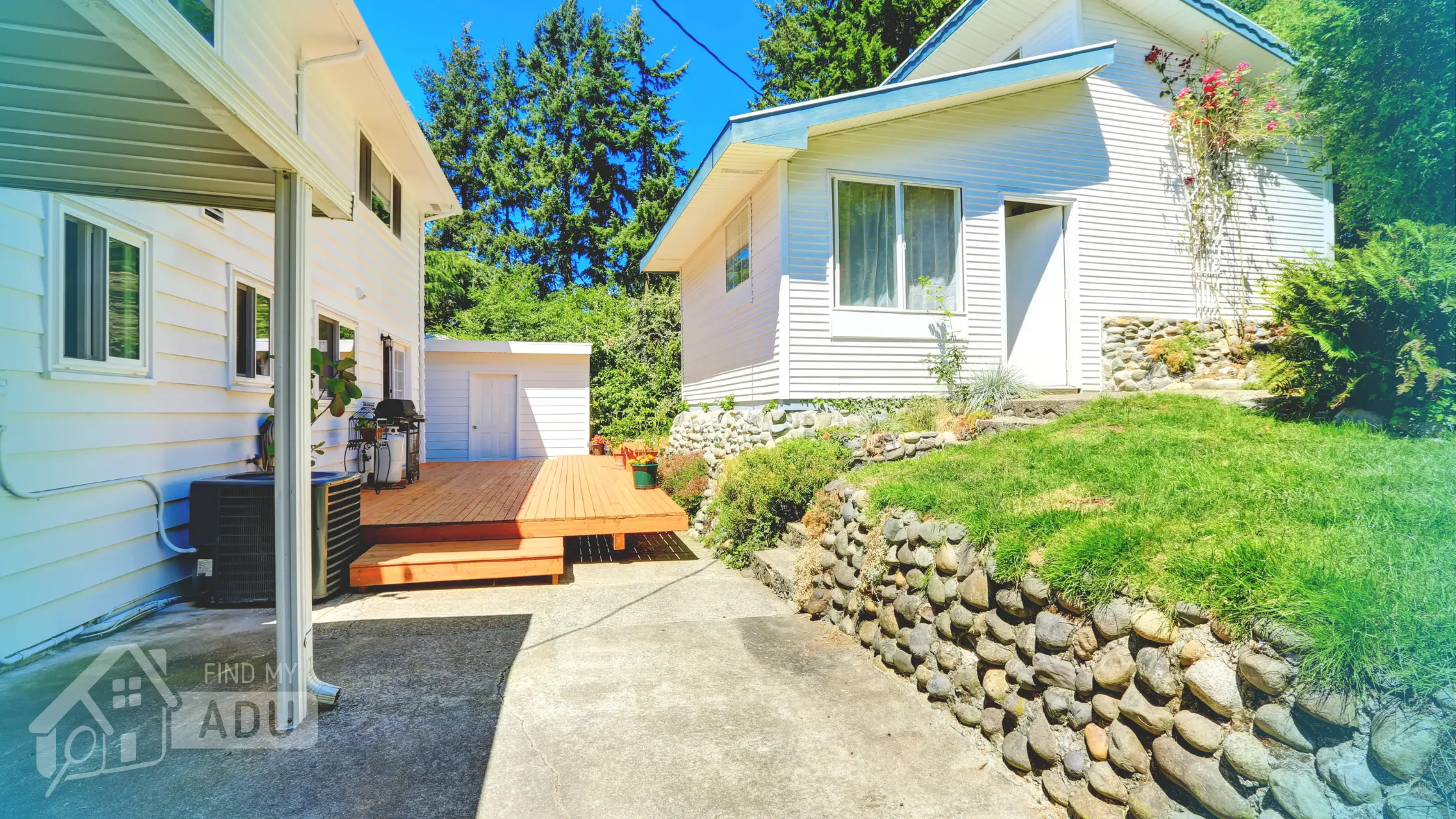
An accessory dwelling unit (ADU) as the name suggests, is an accessory to your primary home. It shares the same lot as an existing single-family or multi-family dwelling. Whether it is freestanding somewhere in the yard like a backyard cottage, attached to the primary residence, or created by converting a garage or shed doesn’t matter, as long as it is located on the same property as your primary residence.
While ADU housing is still smaller than traditional housing, ADUs are usually larger than tiny homes. Their sizes vary depending on local rules and regulations as well as the owner’s choices, but 700 or even up to 1,200 square feet is fair game.
ADUs also must comply with the local building code and zoning regulations. There are safety, design, and infrastructure criteria they must meet.
Key Differences at a Glance
Do Tiny Homes and ADUs Share Any Similarities?
Despite their differences, tiny homes and ADUs have a lot in common. They are both small housing solutions, and they indeed can often be one in the same. (Building a tiny home in your backyard means you have both a tiny home and an ADU.) For owners, they frequently serve the same purpose: providing additional living space on your existing property – opening up opportunities to house family members or earn extra rental income. Additionally, the cost of building either an ADU or tiny home is much less compared to building a traditional home.
They are both manageable, flexible, relatively low-stakes real estate investments. The affordability helps homeowners with a solution that can work for either short or long-term use. Maybe your tiny home or ADU is a home office for a few years, then you rent it out to tenants for a while to earn monthly income, then it houses a relative in transition, then it is home gym…
Permits, Zoning, and Legal Use in California
Understanding the legal landscape is crucial before committing to either a tiny home or an ADU, especially in a regulation-heavy state like California.
Can a Tiny Home Be Used as an ADU in California?
Yes, you can use your tiny home as an ADU in California provided the tiny home abides by the local building and zoning laws.
One crucial point when it comes to designating a tiny home as an ADU is the type of foundation it has. Many cities in California only permit using your tiny home as an ADU if it is built on a permanent foundation. Tiny homes on wheels typically cannot be used as ADUs. In addition, it must have access to necessary utilities like water and electricity.
Many cities and counties have size and design requirements for ADUs, including tiny homes. These ADU rules are in place to ensure the unit is safe and habitable, and sometimes there is emphasis on making sure it blends well with the surrounding neighborhood. Look out for this especially if you live in a historically designated area.
As laws differ from city to city, refer to local rules and regulations before proceeding with building a tiny home in your backyard–especially if you plan to use it as an ADU.
Permitting an ADU vs. a Tiny Home
A permit for an ADU is much easier to get, as the laws for them are streamlined within a city/county’s housing codes. As long as you ensure the foundation, utilities, and size meet local ADU rules and requirements, you will be able to secure the permit relatively easily. Some cities in California even have pre-made plans for ADUs you can grab if you want a simple, straightforward plug-and-play option.
On the other hand, permits for tiny homes are comparatively complicated. There are typically different permits depending on whether your tiny home is on wheels or fixed with a permanent foundation. Securing a permit for a tiny home on wheels can be more challenging because they are considered both residential structures and quasi-vehicles.
Both tiny homes and ADUs face size restrictions, with ADUs allowed to be on the larger side–often up to 1,200 square feet. Tiny homes are usually capped at around 400 square feet.
Where Can You Legally Place a Tiny Home?
As you are probably figuring out, with our repeated mentioning, many of the rules and regulations around tiny homes come down to whether the structure is on a permanent foundation or wheels. It’s no different when you’re trying to figure out where you can legally place your tiny home.
If it is on a fixed foundation, you can place your tiny home on private land. It can be the only structure on the land, or it can share the lot with a main house and be permitted as an ADU. Keep in mind, a tiny home on a fixed foundation will be subject to building and zoning codes. There are also places where established communities allow for placement of tiny homes with access to shared amenities.
If you are opting for a tiny home on wheels (THOW), legality of the placement can be a bit more tricky. These usually require special permits because cities classify them as both housing and a recreational vehicle (RV). One option for THOWs is to look at campgrounds or RV Parks where you can place them up to a certain time period.
Again, the best way to go about the legality is to clarify with your local government before planning out your choice of tiny home. If you are still deciding on the build of the tiny home, ensuring the regulations of your decided location(s) can help with confirming what sort of tiny home you would like to go ahead with.
Cost and Build Time: Tiny Home vs. ADU
How much does it cost to build a tiny home or an ADU? Across the board, you can rest assured that the cost and build time of both are considerably less than that of a traditional house. At the same time, there are notable differences between the two and these factors can play a big role in your decision.
How Much Does a Tiny Home Cost?
On average, tiny homes can range from $25,000 to $50,000 depending on your requirements for size, building materials, and amenities.
In addition to costs from the build, make sure you factor in additional expenses like land purchase or rental, utilities, and permits for the tiny home. If you’re thinking of getting a pre-made tiny home, be sure to count in the transport or delivery fees to your required site.
How Much Does an ADU Cost?
An ADU can run you between $100,000 to $300,000 depending on whether it is attached, detached, or a conversion. This is also subject to your requirements and choice of materials. But keep in mind that the cost of an ADU is generally going to be higher than a tiny home.
Besides the build cost, you also need to consider additional costs for things like architectural and engineering needs, permits, and utilities.
Build & Installation Timeline
Tiny homes are usually much quicker to build and you can get one completed in as little as eight weeks. Naturally, prefabricated tiny home models take less time to build as they are easier to put together and get started. DIY projects, on the other hand, take longer.
You can expect building an ADU to take a minimum of six months. This is because permits and inspections take a considerable amount of time before you can even start the build. If you choose to DIY your ADU expect to increase the timeline to well over a year.
While the timeline for building a tiny home is much quicker, it’s important to consider that ADUs add to the property value of your lot and are more long-lasting compared to tiny homes.
Choosing Based on Lifestyle and Long-Term Goals
Your lifestyle and long-term goals will play an important role in deciding between a tiny home or ADU. Both offer a small living space, but the differences when it comes to mobility, legal considerations, and how they align with your future plans will determine which one you should opt for. Knowing the advantages and disadvantages of both options will help you narrow it down to your ideal choice.
When a Tiny Home Is the Better Fit
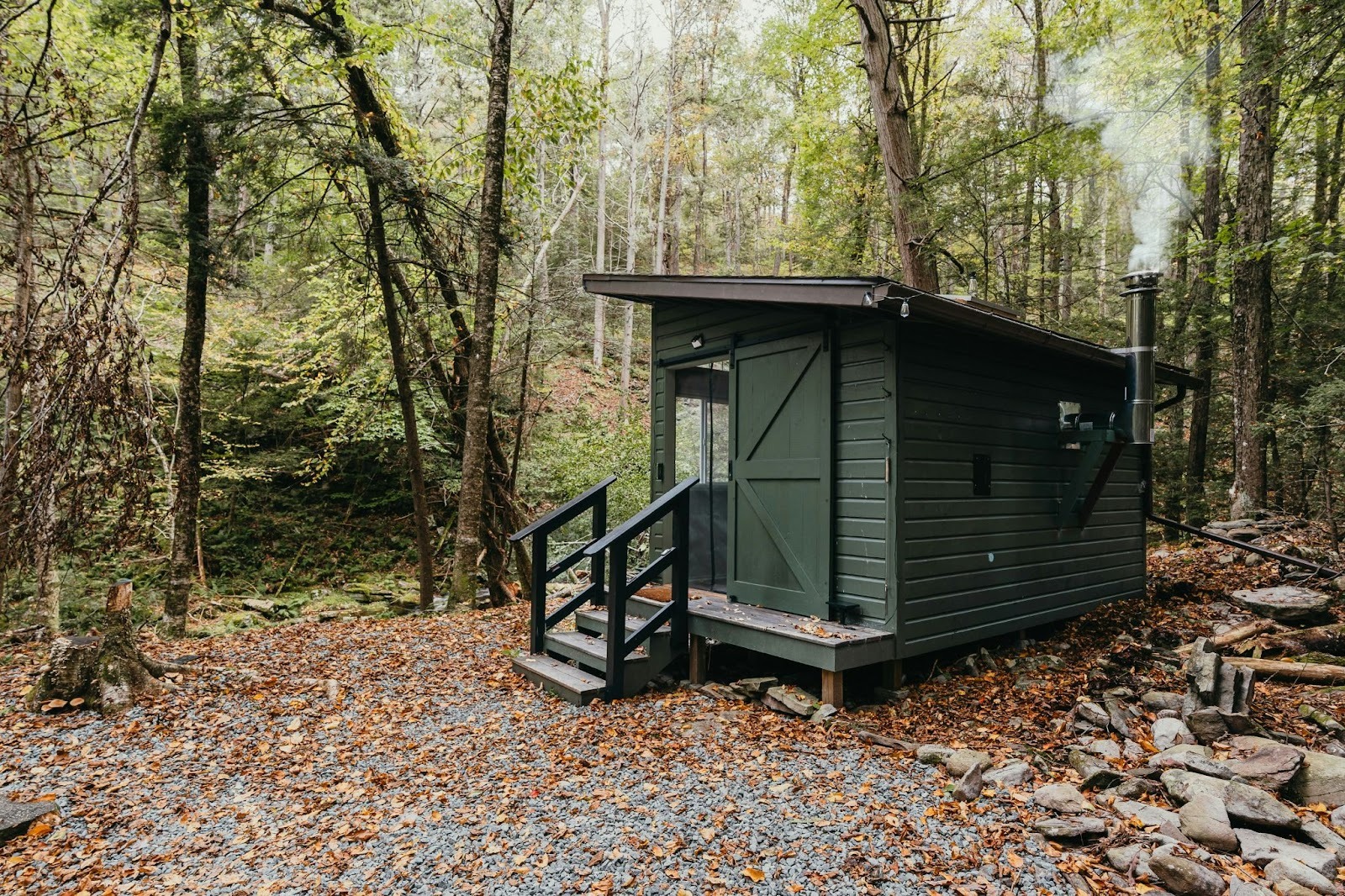
If long-term stability isn’t a priority, a tiny home is the best fit for you. It will provide a small living space ideal for a minimalist lifestyle that also affords you a lot of flexibility since it can be moved at any time. All that with a low initial investment.
When an ADU Is the Better Fit
ADUs fit well with people who are focused on long-term goals like housing additional family members near their existing home, or collecting regular rental income to bolster their financial portfolio. Additional space with increased property value is a win-win.
Pros and Cons of Each Option
Here’s a quick overview of the pros and cons of tiny homes vs. ADUs to help you make an informed decision.
Pros of Tiny Homes
- Provide flexibility
- Low initial investment
- Less hassle with permits
- Shorter build timeline
Cons of Tiny Homes
- Less living space
- Over time they don't appreciate in value
- Connecting utilities may be challenging
- Harder to finance
Pros of an ADU
- Ideal for long-term investment
- Adds value to the property
- Opportunity to earn rental income
- Easier to finance
- Strict codes ensure long-lasting builds
Cons of ADUs
- Takes longer to get permits and build
- Higher initial investment
- Restricted location
Tiny Home or ADU: Which One Is Right for You?
So, tiny home or ADU? That is the question. And the answer comes down to your goals and priorities. Knowing your long-term plans, budget, and what sort of lifestyle you prefer should help you answer the question.
If you are someone who is looking for flexibility, affordability, and minimalism then a tiny home is your go-to choice. If you are thinking of investing for the long-run and increasing your property value then an ADU is your answer.
Always remember to check (and then re-check!) the local laws and regulations on tiny homes and ADUs. They vary from place to place and can make or break your decision, depending on how restrictive the codes are. Whichever you choose, both options enable an affordable housing option that can be an extension of you as a person and fit well with your lifestyle.